Central theme of the book
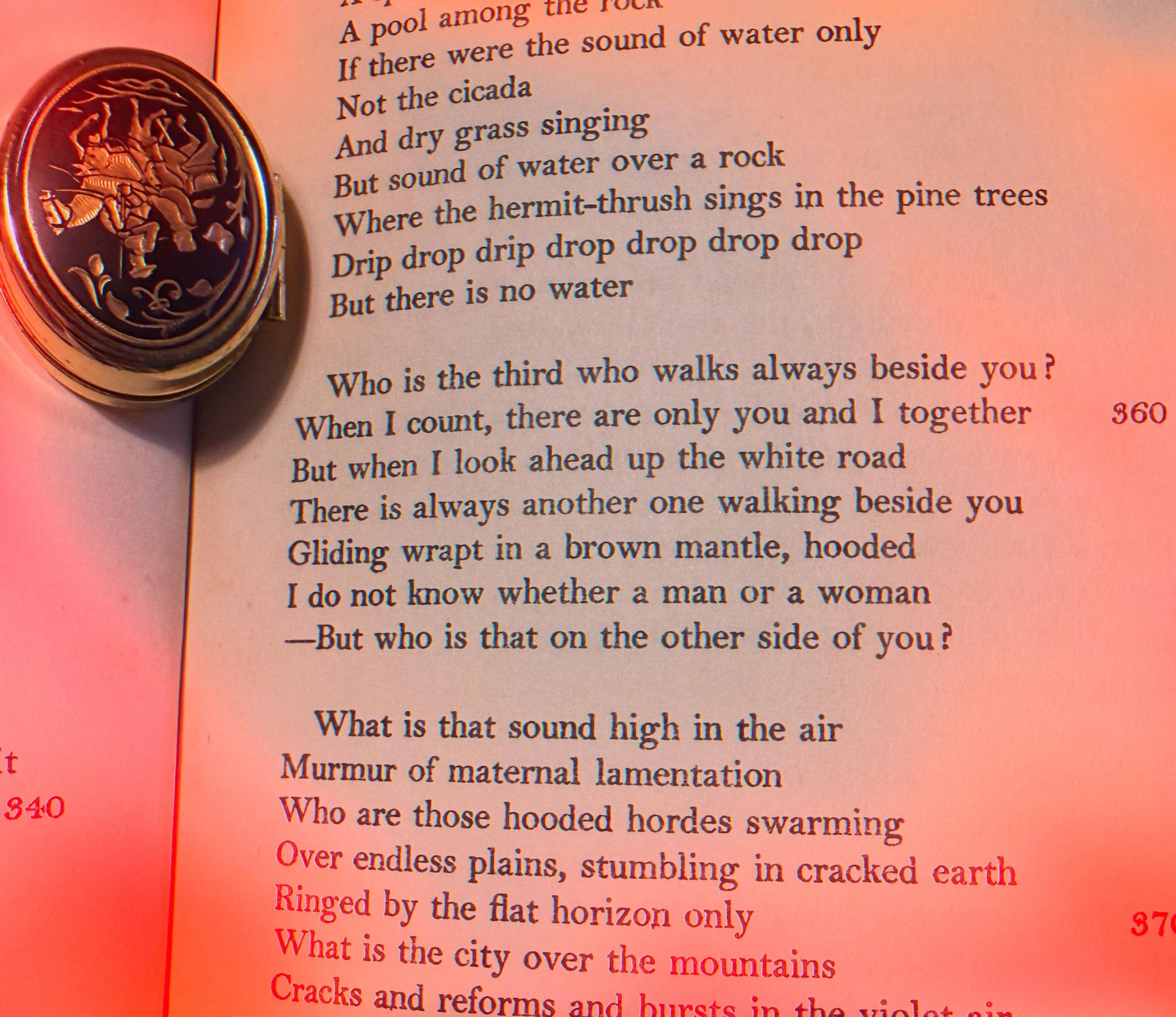
‘Who is the third who walks always beside you?
When I count, there are only you and I together
But when I look ahead up the white road
There is always another one walking beside you…’
—from The Waste Land, T. S. Eliot
I’ve been writing this book (coming this October—finally!) for over seven years. It began as a very personal story and slowly transformed into fiction shaped by my experiences, the stories of other refugees and survivors and a need to witness what happens after loss. From the beginning, I knew I didn’t want to write about the war itself, but about its aftermath, about the people who carry on, who build new lives while the past keeps tugging at their sleeves.
My protagonist Selma, is a 35‑year‑old survivor of the Bosnian genocide, is now living in Sydney with the family she has created. For a while, she believes she has outrun her memories. But the past has its own timing and eventually it begins to surface.
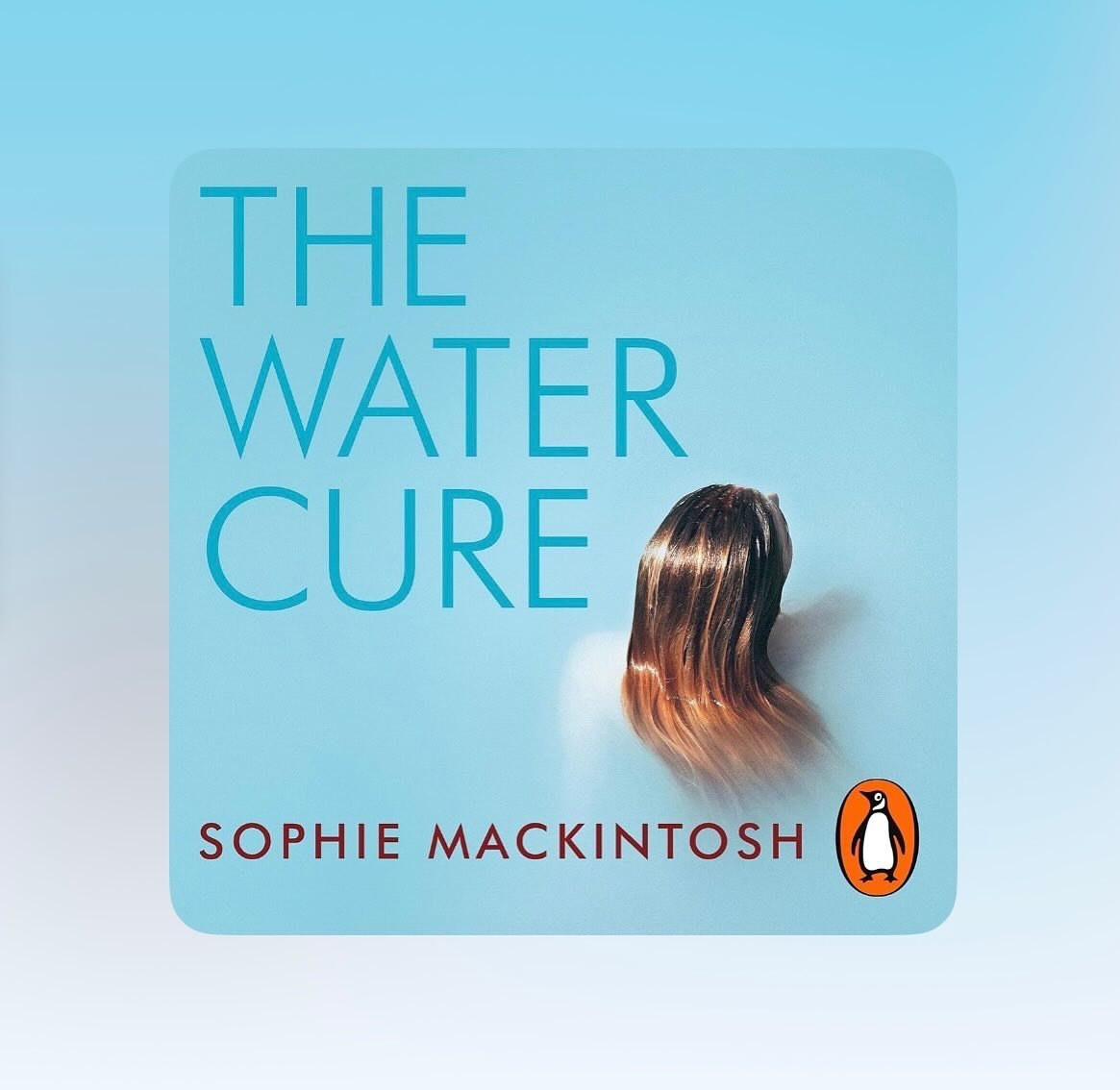
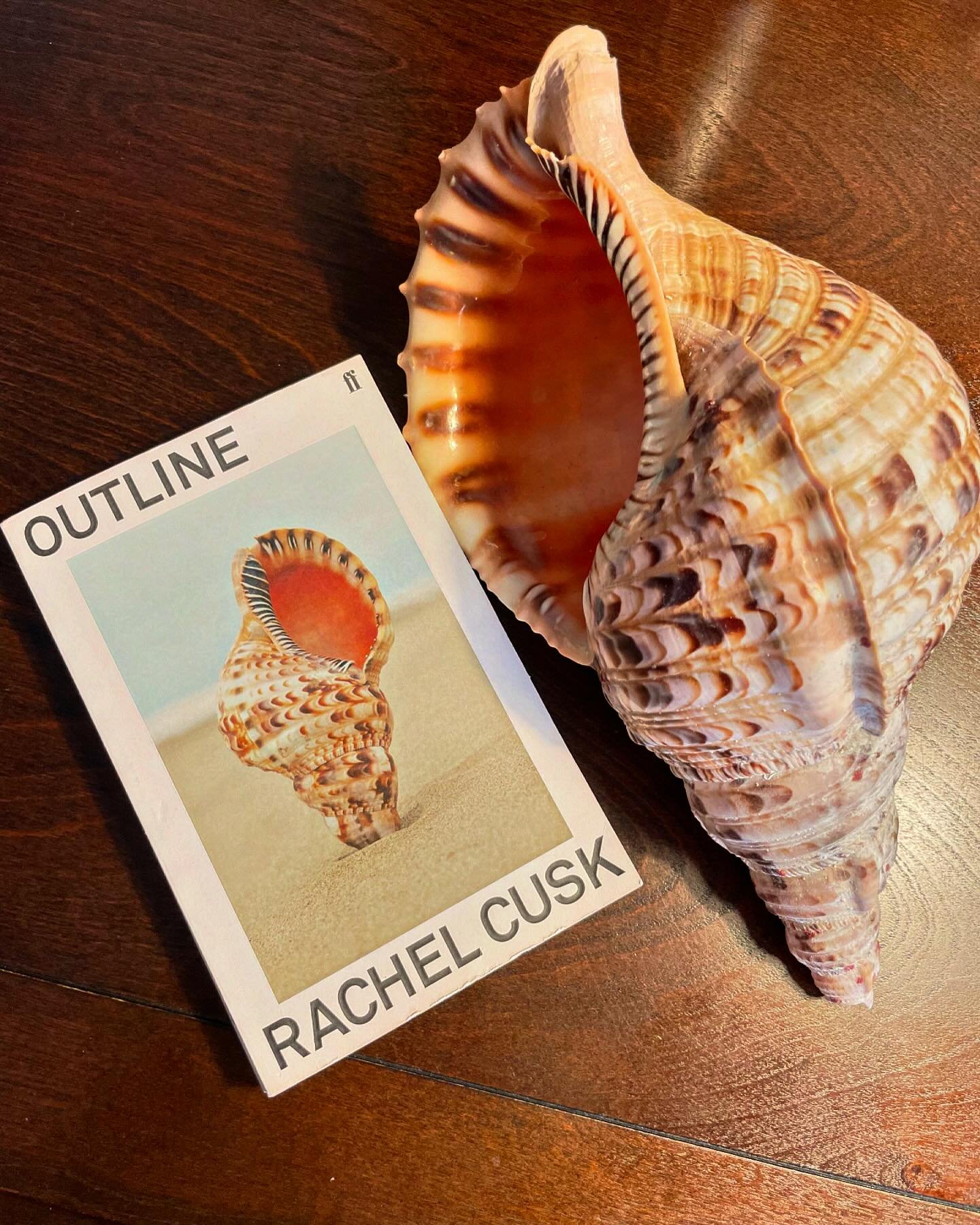
Throughout these seven years, I read widely, history, memoir, psychology, poetry, trying to understand grief, survival and the quiet work of moving forward. When I realised that Roger, Selma’s husband, was a poet, I immersed myself in the poetry he might have loved. That’s when I returned to T. S. Eliot’s The Waste Land. I’d read it at university and felt nothing. But reading it now, after everything life has taught me, was electrifying.
These seven lines captured something essential about Selma, about the shadows we walk with, about the presence of the past beside us. I loved them so much that I asked Faber for permission to use them as the epigraph of the book.